Key Takeaways ALM ROI comes down to one formula: (gain from investment − cost of investment) ÷ cost of investment. The hard part is quantifying both sides honestly. The highest costs of a fragmented toolchain are soft costs, like rework, manual traceability,...

Carlos Almeida
Successfully Migrate Your Requirements from IBM DOORS to Codebeamer
Key Takeaways Codebeamer manages the whole lifecycle. Requirements, risk, testing, and change management live in one platform instead of separate tools. Traceability and compliance are built in. End-to-end links and regulatory templates support standards such as ISO...
How Engineering Teams Use AI With Governance and Jama, Jira, and Microsoft Teams
Introducing SPK AI Launchpad Hi, I'm Carlos with SPK and Associates. Today I want to show you something we've been working on called SPK AI Launchpad. The idea is pretty straightforward. Engineering organizations already have systems for managing requirements,...
Why Traceability Is the Foundation of Modern Compliance
Key Takeaways End-to-end traceability is essential for regulatory compliance. Connecting requirements, risks, tests, changes, and approvals helps organizations maintain accurate compliance records throughout product development. Connected traceability improves audit...
End-to-End Traceability: From Requirements to Validation
Key Takeaways Clear requirements are the foundation of successful product development. Defining measurable requirements and acceptance criteria early helps teams prevent ambiguity and costly rework. Verification and validation serve different purposes. Verification...
How Product Teams Can Measure AI Coding ROI
Key Takeaways AI adoption alone does not prove ROI. Teams must measure how AI coding tools impact development speed, software quality, engineering capacity, and overall costs. Developer time saved must translate into business value. Tracking recovered hours,...
Avoiding Audit Failures with End-to-End Digital Traceability
Key Takeaways Audit failures often stem from incomplete records, disconnected systems, weak controls, and manual processes. Continuous traceability helps teams capture compliance evidence as part of everyday engineering work. Connecting ALM and PLM creates clearer...
10 Reasons to Use Jira Service Management
Key Takeaways JSM connects IT, development, operations, and business teams to reduce silos, duplicate work, and lost context. Automation and AI reduce repetitive work by streamlining routing, approvals, support requests, and common service tasks. Self-service improves...
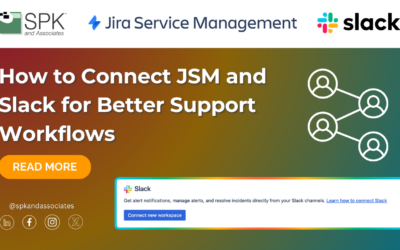
How to Connect JSM and Slack for Better Support Workflows
Key Takeaways Integrating Jira Service Management with Slack brings incident response directly into the channels where teams already work, reducing context switching and speeding up triage. Teams can route alerts based on priority and manage incidents directly from...
Migrating from Freshservice and Scaling with Atlassian AI
Key Takeaways JSM scales beyond basic ticketing: Jira Service Management connects IT, customer support, operations, and development on one platform, reducing the silos that can slow growing teams. Native DevOps alignment speeds resolution: JSM connects incidents and...
The Real Challenge of Systems Engineering Isn’t Complexity. It’s Visibility
Key Takeaways Visibility, not complexity, is often the real problem: Disconnected requirements, hardware, software, testing, and quality data make it difficult for teams to understand product status and downstream impacts. Data silos create delays and compliance risk:...
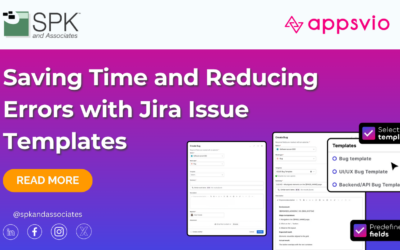
Saving Time and Reducing Errors with Jira Issue Templates
Key Takeaways Eliminate the “blank page problem”: Jira issue templates prefill important fields so users know exactly what information to provide when creating a ticket. Save time and reduce errors: Appsvio’s Issue Templates Agent automates repetitive ticket creation...