

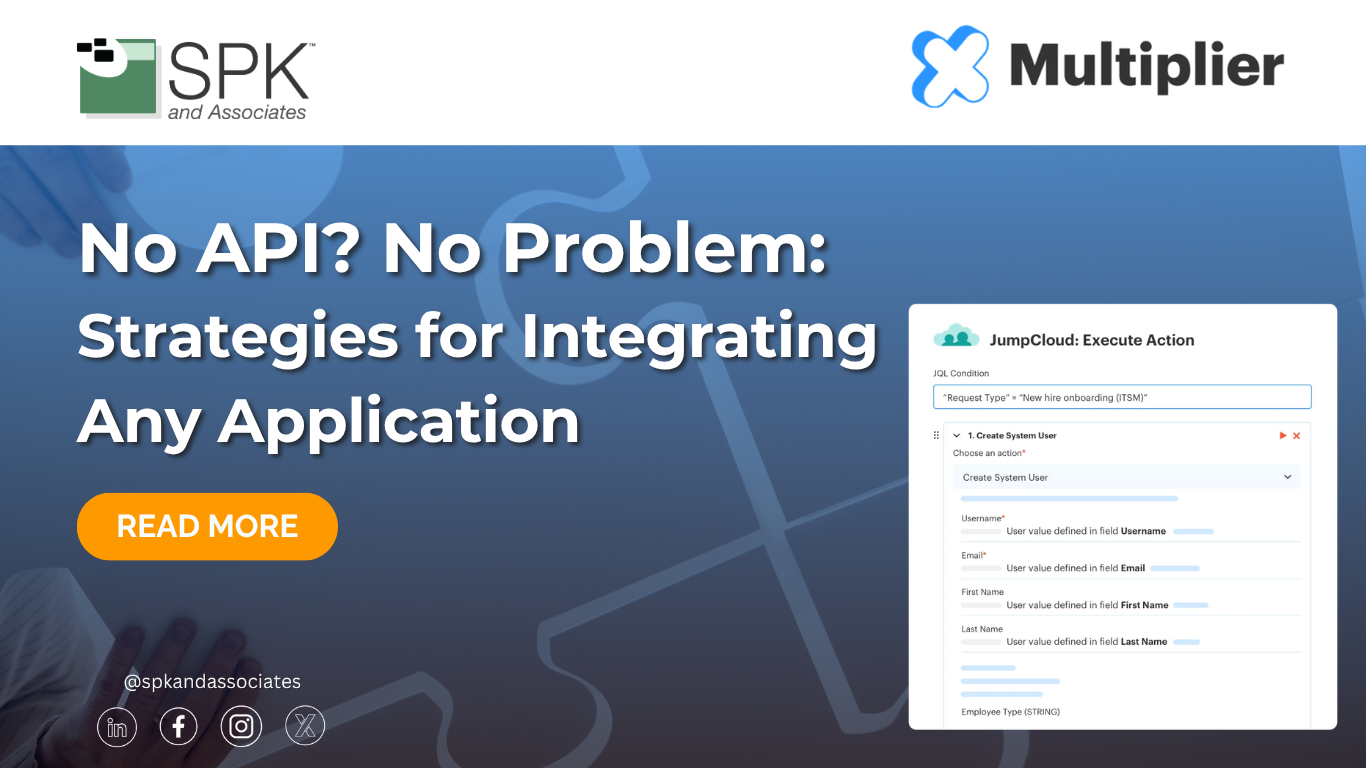

Modern access governance depends on automation, but many organizations run into the same problem: not every application has a clean API, SCIM support, or enterprise-ready identity integration. As teams scale, this creates a gap between the applications they need to manage and the workflows they can realistically automate. That gap often leads to manual provisioning, delayed offboarding, inconsistent access reviews, and unnecessary license spend. For growing organizations, especially those in regulated environments, this becomes a governance risk.
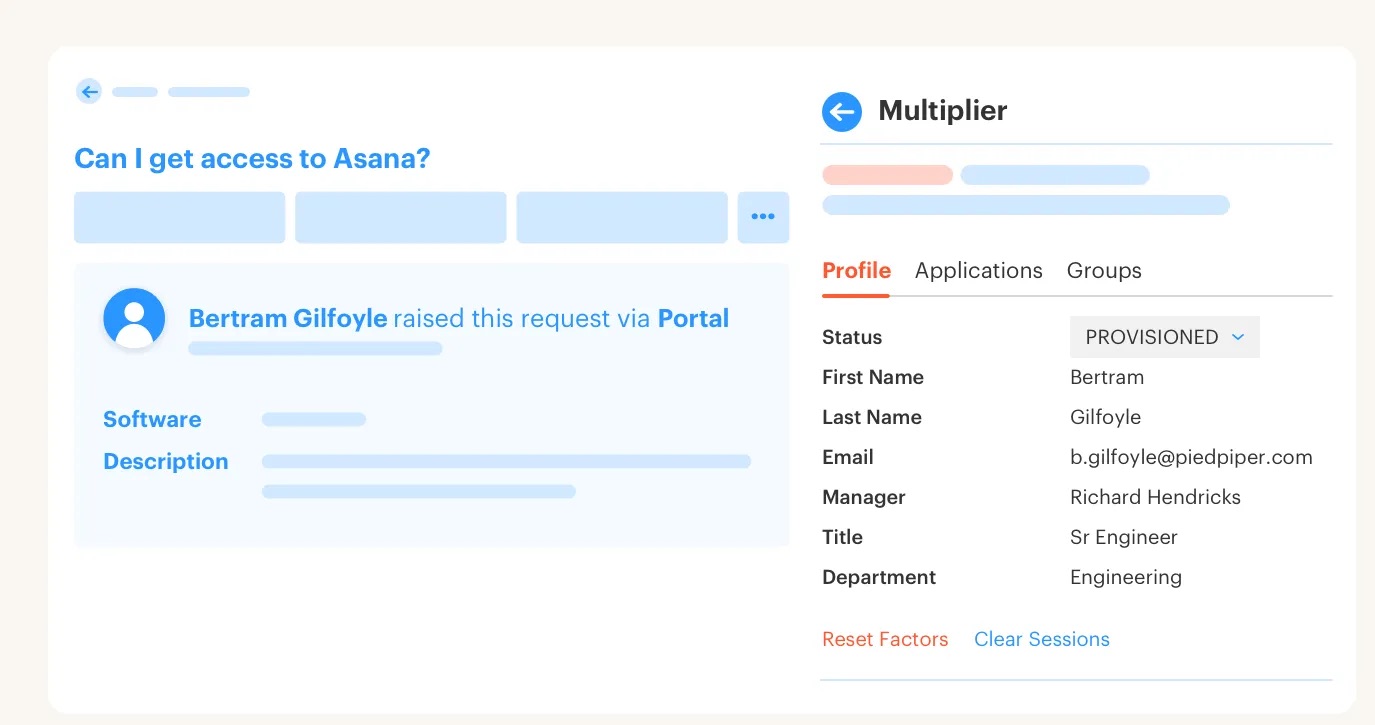
Multiplier helps organizations close that gap by bringing identity governance, access management, onboarding, offboarding, and compliance workflows into tools like Jira Service Management and Slack. Teams can centralize access requests, automate approvals, enforce least privilege, and create audit-ready records without forcing users to abandon the systems they already know.

What Is Multiplier?
Multiplier is an identity governance and access automation platform designed to help organizations scale access management. It allows teams to automate tedious access requests while also supporting compliance and governance workflows. Employees can request access from a centralized catalog, managers and system owners can approve requests, and IT teams can automate provisioning or deprovisioning based on predefined rules. This is especially valuable for growing and multi-location organizations. Different departments may use different tools, some with mature identity provider integrations and others with little or no automation available. Multiplier allows organizations to bring these applications into one access catalog while still supporting different back-end workflows for each tool.
Current Multiplier Integrations
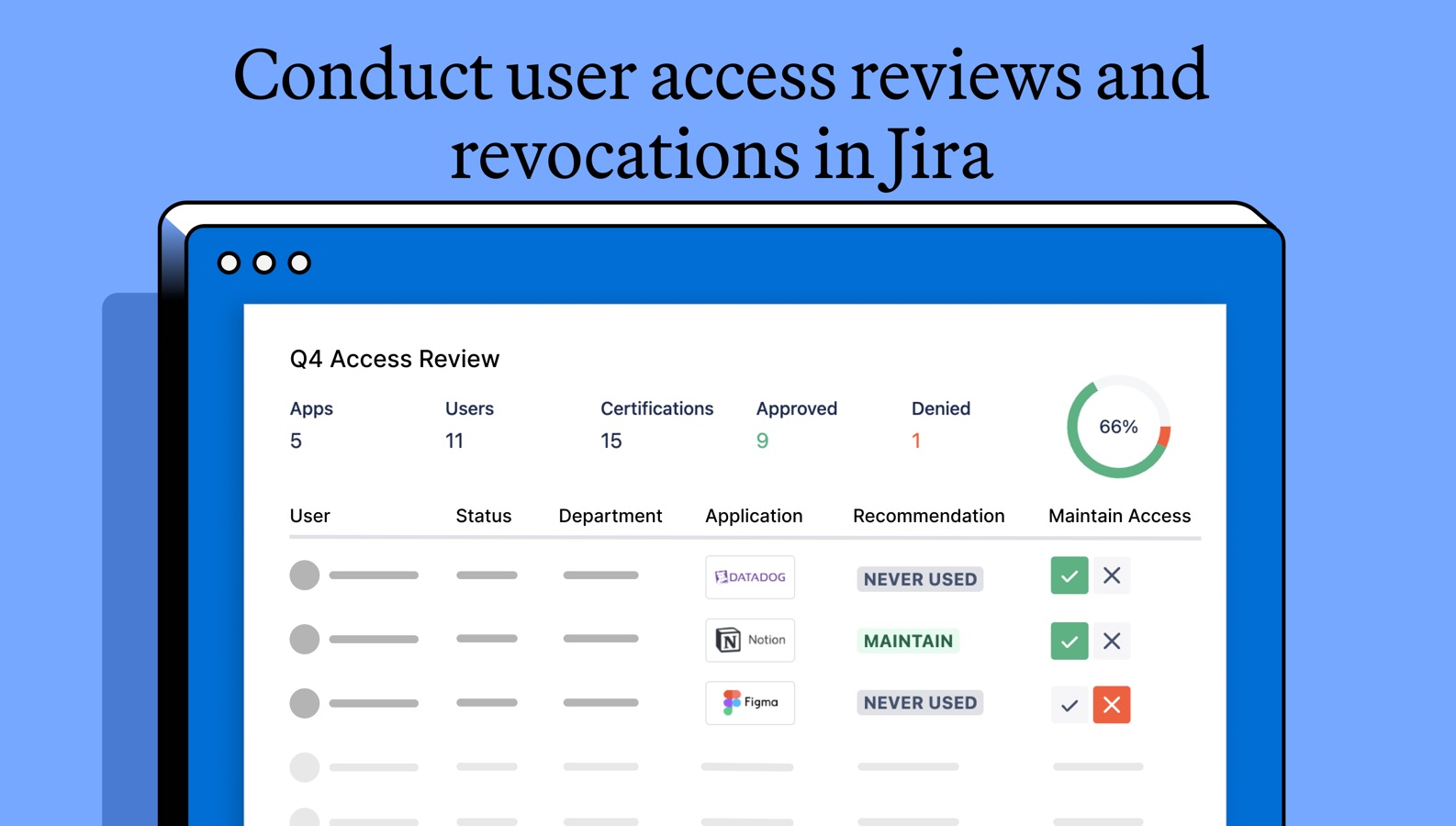
Multiplier allows users to integrate access requests directly within the Jira Service Management portal and Slack, but it also supports a strong set of integrations. These integrations help teams automate user administration, manage licenses, centralize access requests, and streamline audit preparation.
Current Multiplier integrations include:
Active Directory
Multiplier automates user administration in Microsoft Active Directory directly from Jira. This helps IT teams reduce manual work while keeping user access aligned with organizational policies.
Entra ID
With Entra ID integration, teams can automate user administration, manage Microsoft 365 licenses, and support consistent identity governance across Microsoft environments.

Google Workspace
Multiplier helps teams automate user administration in Google Workspace and manage access to Google Workspace applications. This supports smoother onboarding, offboarding, and license management.
JumpCloud
The JumpCloud integration allows teams to automate user administration and manage access to JumpCloud-connected applications.

Okta
Multiplier integrates with Okta to automate user administration and manage access to Okta-connected apps. This helps organizations extend identity governance across their existing identity provider ecosystem.

Vanta
Multiplier can streamline compliance by uploading proof of completed access reviews to Vanta. This helps reduce audit preparation time and makes it easier to maintain evidence for compliance programs.
Together, these integrations create a strong foundation for access governance. However, many organizations still rely on applications that do not support SCIM, do not expose the right APIs, or require expensive enterprise tiers to unlock automated user management. That is where Multiplier’s new browser-based agent approach becomes especially important.
New No-API Integrations: Browser-Based Agents
Multiplier is addressing these challenges with browser-based agents that can manage access to applications even when those applications do not offer SCIM or traditional APIs. This allows teams to bring more applications into governed workflows without waiting for vendors to build better identity integrations. Instead of depending only on API-based connections, Multiplier’s browser-based agents can interact with admin consoles in a secure, automated way. This is especially valuable for applications that are widely used across business teams but historically difficult to govern at scale.
Adobe: Automating Access Without the Enterprise Tier
Adobe is one of the most important examples of Multiplier’s no-API strategy. With Multiplier’s Adobe integration, organizations can automate user and license management in the Adobe Admin Console. This includes adding users, removing users, assigning licenses, and removing licenses. Teams can support full provisioning, deprovisioning, and access reviews for Adobe products without requiring Adobe’s enterprise tier. For organizations with large creative, marketing, engineering, or product teams, this can create meaningful operational and cost benefits.

The Adobe integration works differently from traditional API-based integrations. It uses a secure browser agent that logs in with Adobe admin credentials. Adobe requires two-factor authentication, requiring teams to configure email forwarding for verification codes to a unique, secure Multiplier email address. Those verification codes are used only for authentication and are handled securely. Once connected, Adobe becomes part of the same governed access ecosystem as the rest of the organization’s applications. Teams can automate access requests, reduce manual license assignments, deprovision users more consistently, and support stronger access review processes.

Zoom: Activity Tracking for Auto-Reclaim Workflows
Multiplier’s Zoom integration focuses on usage visibility and license optimization. By connecting Zoom to Multiplier, organizations can track when users last hosted meetings and use that activity data for auto-reclaim workflows. This is important because many organizations assign paid Zoom licenses broadly, then struggle to identify which users are actively using them. A user may have a license but rarely host meetings. Without activity tracking, those licenses often remain assigned indefinitely. With Multiplier, teams can automatically monitor Zoom meeting activity and reclaim unused licenses. This helps organizations reduce SaaS waste while still ensuring employees have access when they need it.
New Connectors: Notion, Figma, Grammarly, Asana, Branch.io, and More
In addition to Adobe and Zoom, Multiplier is expanding its connector ecosystem to include tools such as Notion, Figma, Grammarly, Asana, and Branch.io. These new connectors support full user management and activity tracking using browser agents. Many of these applications are adopted quickly by business teams. They may start with a small group of users, then expand across departments before IT has a complete governance process in place. Over time, this can create access sprawl, unused licenses, and inconsistent offboarding.
By bringing these applications into Multiplier, organizations can create a more complete view of who has access to what, when access was granted, whether the user is still active, and whether the license is still needed. Multiplier also has additional integrations in the pipeline, including ChatGPT Business, Claude, and other SaaS applications. This is especially relevant as organizations adopt more AI tools and need stronger visibility into access, usage, and governance.
Managing Access at Scale, No APIs Required
APIs should not determine whether an application can be governed. As organizations adopt more SaaS tools, AI platforms, creative applications, collaboration systems, and internal tools, access governance must extend beyond the applications that already support traditional integrations. Multiplier’s browser-based agents make that possible by helping organizations close one of the biggest gaps in access governance. Multiplier provides organizations with a more complete way to manage access at scale. For teams using Jira Service Management, SPK can help turn that capability into a practical, governed, and scalable process. No API? No problem. With the right strategy, the right workflows, and the right partner, any application can become part of a smarter access governance program. Reach out to our team today to see what Multiplier can do for you.