

spk-logo-tm-2023
0%
1-888-310-4540 (main) / 1-888-707-6150 (support) info@spkaa.com
Select Page

Oracle Database Cloning Made Easy

windchill features best plm software
Written by SPK Blog Post
Published on February 14, 2012

As a systems integrator, I spend my time behind a variety of applications every day.  Each of these applications stores its data in some type of database.  The most common databases I deal with are typically MySQL, Oracle, DB2, Postgres, and MS SQL Server.

As such, I’m going to admit that I don’t have the mental bandwidth or the willingness to master each and every one.  Each database has its own way of doing the same tasks, and learning each nuance is almost impossible unless you’re a fulltime DBA.

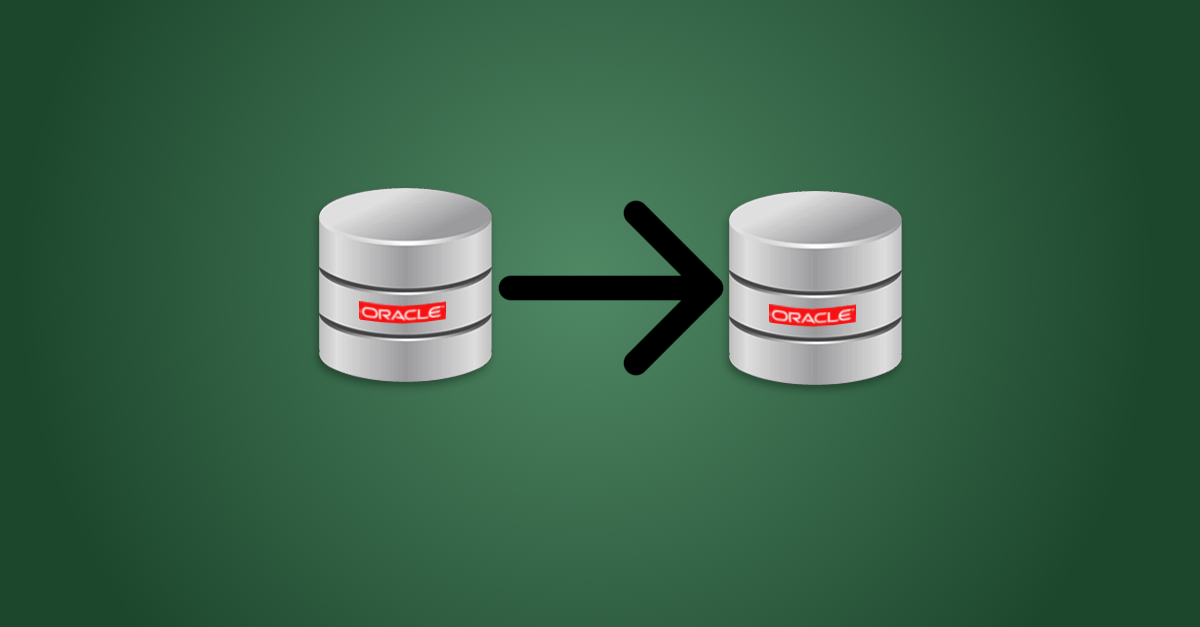
The most common task a DBA has to deal with is database cloning.  In this article, I’m going to discuss the various ways to clone an Oracle database.  I chose to focus on Oracle because sometimes it’s not clear what the different methods are, and when one ought to be used over another.

Keep reading my how-to document to find out more about cloning an Oracle database!
Latest White Papers

The Future of AI-powered Service Management

The Future of AI-powered Service Management

As 63% of companies plan to increase AI spending this year, there is a large focus on the ROI of AI tools. Ensuring you get the most out of your investment is vital to business success, especially in the service industry. This eBook explores how teams can integrate AI...

Related Resources

Meet the Experts: Ginna Kang

Meet the Experts: Ginna Kang

Ginna Khang is an Applications Engineer focused on research and development (R&D).  She started at SPK and Associates in 2022 as an intern while she attended UC Santa Cruz.  After graduating in 2024, she was brought on full-time.  Here is more about Ginna in her...

Achieving Regulatory Compliance through Connected ALM and PLM Systems

Achieving Regulatory Compliance through Connected ALM and PLM Systems

Compliance is not always about having the right documentation.  In regulated industries, compliance is about proving that requirements are defined, changes are controlled, risks are addressed, tests are completed, and approvals are captured in a traceable, audit-ready...