

The world of engineering design is evolving at a staggering pace. As innovation demands increase and global competition intensifies, companies are turning to next-gen CAD tools to remain ahead of the curve. At SPK and Associates, we have witnessed firsthand how revolutionary technologies like AI in CAD, cloud collaboration, augmented reality (AR), and eco-friendly design principles are reshaping the future of engineering tools.
The Rise of AI in CAD
Artificial Intelligence (AI) and Machine Learning (ML) are no longer futuristic concepts in CAD — they are now integrated into everyday design workflows. Technologies like Generative Design and Generative Topology Optimization (GTO) are empowering engineers to autonomously create optimal designs. They utilize system requirements such as loads, constraints, materials, and manufacturing processes to enhance designs.
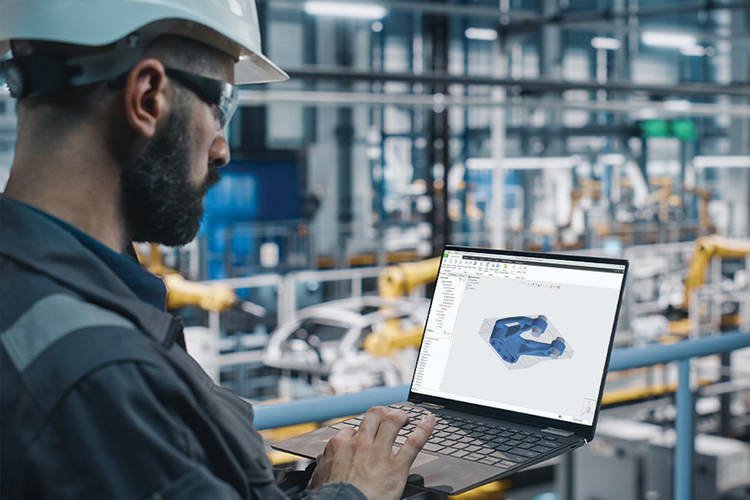
Generative design doesn’t just speed up the design cycle; it enables teams to innovate boldly, reduce product development costs, and mitigate the risk of over-engineering. Extensions like Creo GDX bring high-performance cloud computing to the table. These extensions can generate multiple design options simultaneously, helping teams select the most effective solutions faster than ever.
Moreover, the early integration of simulation tools within the design environment allows for proactive identification and resolution of potential flaws. These tools, such as those available in Creo Simulate, save time, improve product quality, and reduce costs long before prototypes are built.
Cloud-Based CAD: A New Standard for Collaboration
With remote teams now a fixture in engineering, cloud-based CAD is essential. Solutions like PTC’s Creo+ and Dassault’s 3DEXPERIENCE platform enable real-time, concurrent design collaboration across distributed teams. Even our own service, SPK vCAD, takes this further, offering a secure, scalable, and SOC2-compliant cloud CAD environment that supports major applications like Solidworks, Creo, Ansys, and others.
By enabling multi-user access, design branching, seamless updates, and easy integrations with PDM/PLM systems, cloud CAD removes barriers to innovation and accelerates time to market. The lower total cost of ownership and simple deployment models also make cloud CAD an attractive strategy for companies navigating modern manufacturing challenges.
Augmented Reality: A New Dimension in Design
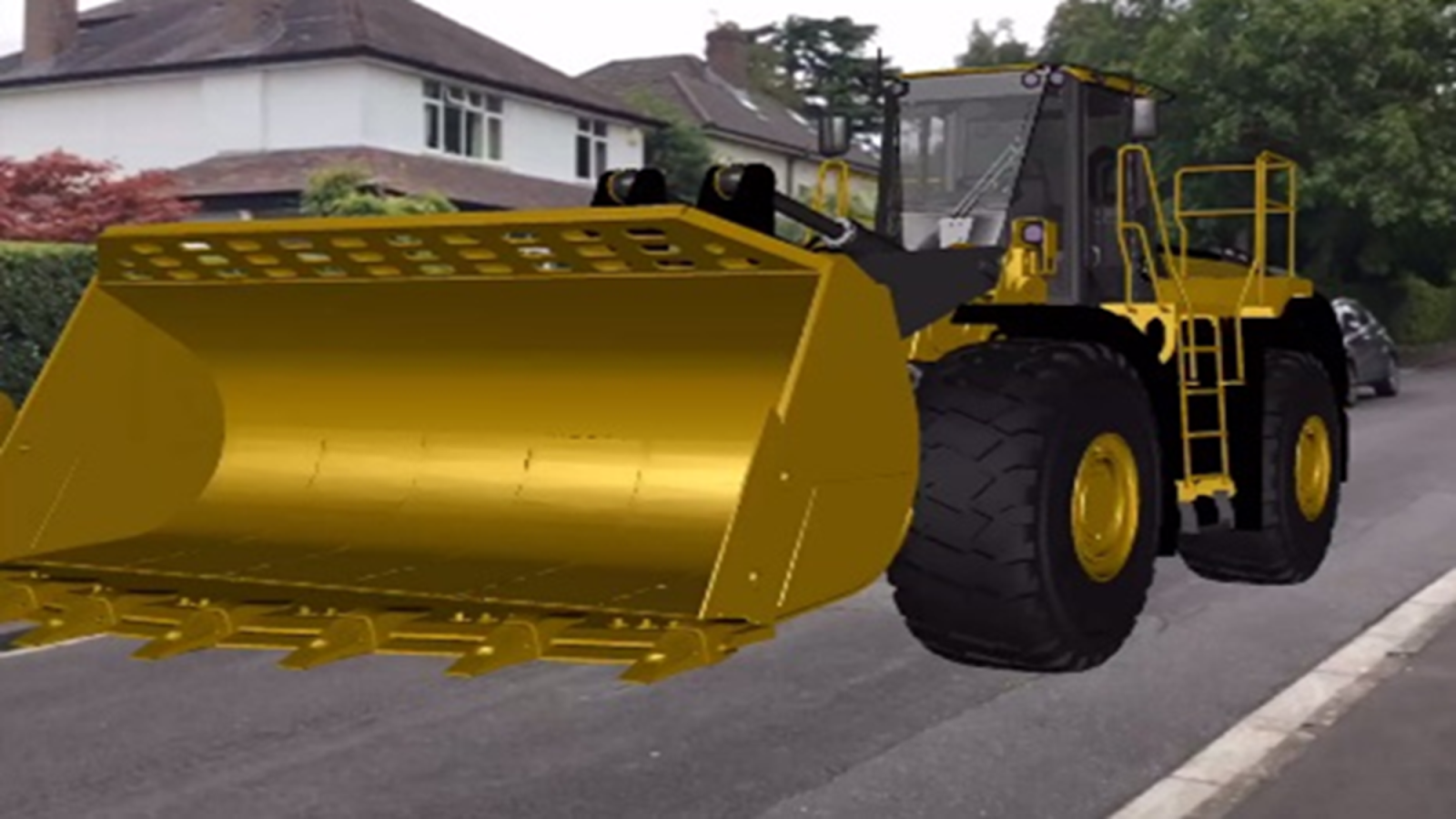
Augmented Reality (AR) is opening a new chapter for engineering collaboration and customer engagement. AR experiences allow stakeholders to interact with immersive 3D models on a real-world scale. This provides unprecedented context for design validation, training, and marketing.
With tools like Creo AR, organizations can rapidly publish AR experiences directly from the CAD environment. Therefore, this enables easy feedback collection from globally dispersed teams while protecting intellectual property.
Eco-Friendly Engineering: Sustainability by Design
As industries face increasing pressure to reduce their environmental impact, sustainable design principles are now being built directly into the engineering process. Modern CAD tools enable material optimization, lightweighting, energy-efficient manufacturing planning, and lifecycle assessments to minimize the environmental footprint of new products.
SPK supports clients in leveraging these capabilities through platforms like Windchill for supply chain traceability and Creo for real-time sustainability analysis. We ensure that every design decision aligns with corporate social responsibility goals.
Automation and Predictive Design: Engineering Smarter
Automation isn’t just about saving time, it’s about engineering smarter. Predictive design capabilities built into next-gen CAD tools allow for optimization at every phase of product development. Whether it’s using digital threads to connect concept design with manufacturing operations or automating repetitive tasks to focus on high-value engineering, the future of engineering tools is one where creativity is amplified, not constrained.
Need Help with Your Future CAD Strategy
At SPK and Associates, we believe that the future of engineering will be defined by how effectively companies adopt and leverage next-gen CAD tools. With AI in CAD, cloud collaboration, augmented reality, and sustainable design leading the charge, the opportunities for innovation are limitless.
If you’re ready to transform your engineering processes, reduce time to market, and improve product quality, connect with SPK today. Our expertise can guide you through the transition and ensure you stay competitive in a rapidly evolving industry.