

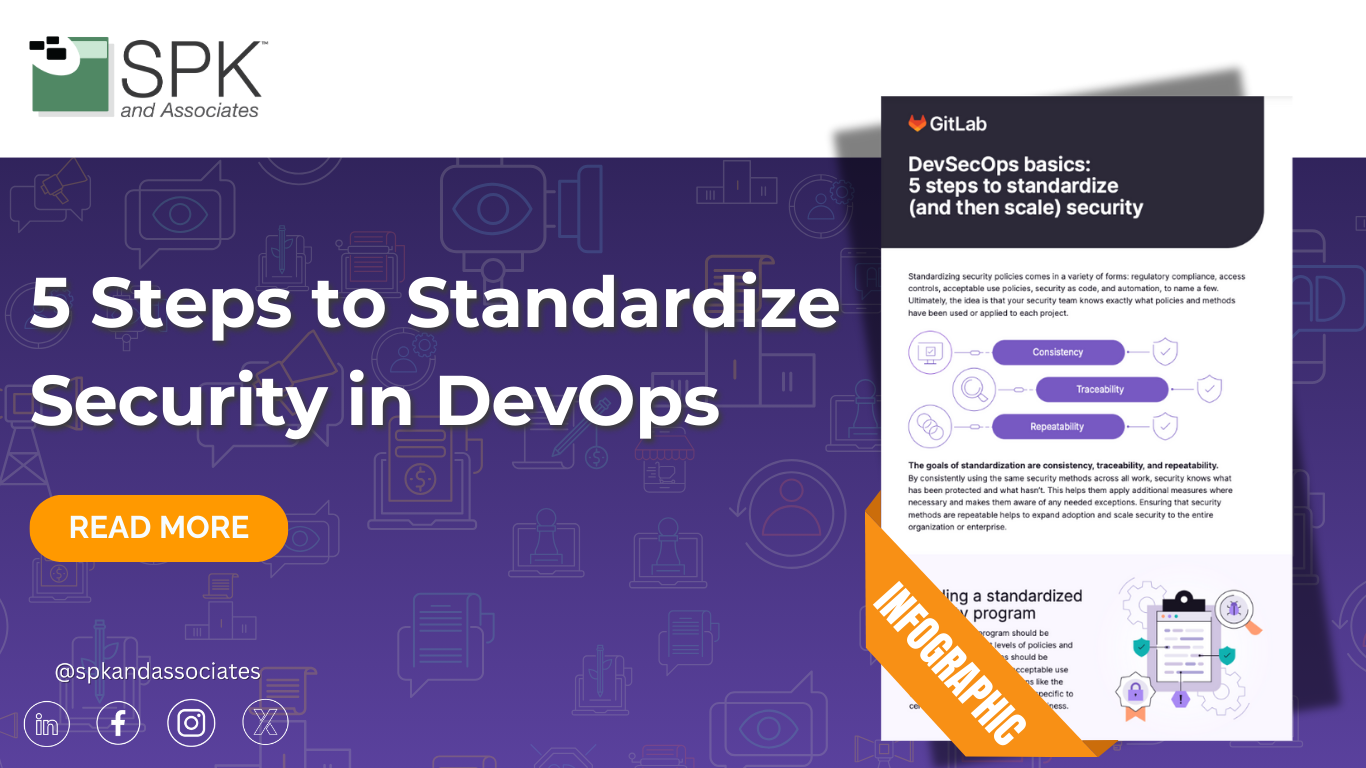

Although security has always been a priority for developers, new technologies have made it one of the most prominent aspects of DevOps. This has resulted in the coined term “DevSecOps”, with many companies offering new “DevSecOps platforms.” With hackers developing new ways to infiltrate your systems, security must be embedded in every aspect of development. These platforms can help achieve a secure, scalable environment for your business needs, but they must also implement standardized security practices. Standardizing security policies across your organization ensures consistency and traceability, helping your team stay ahead of threats.
Security Standardization in DevOps
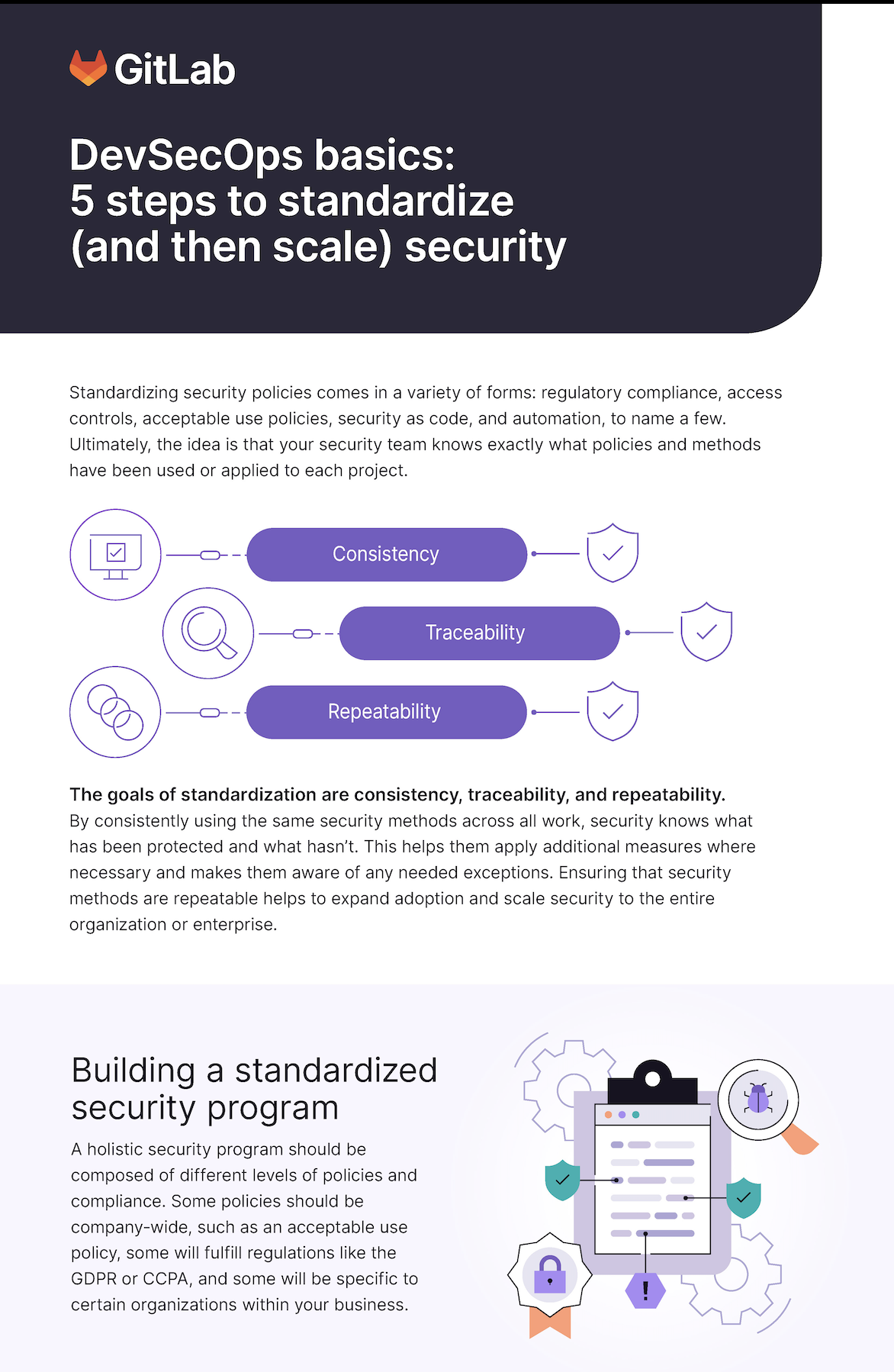
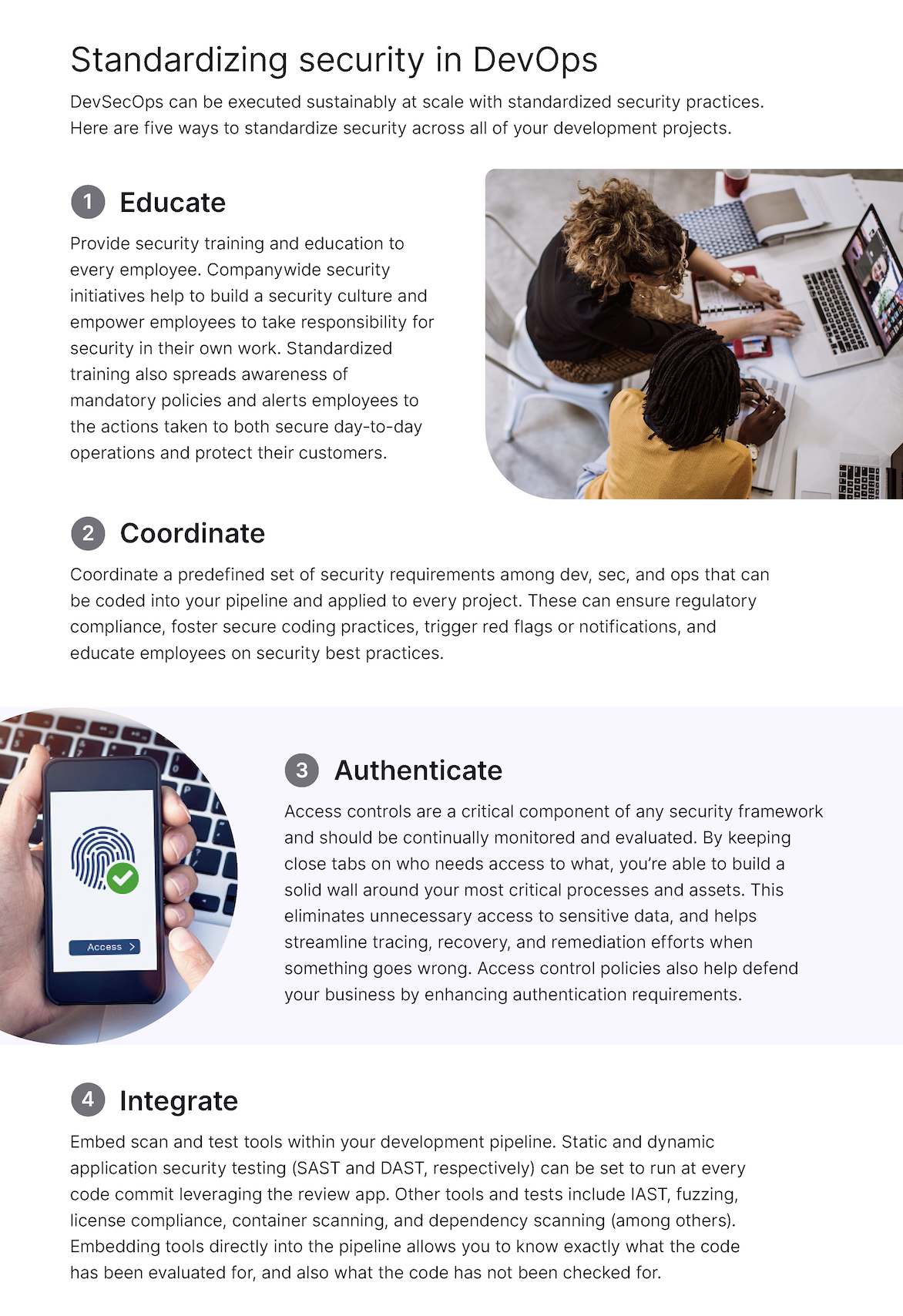
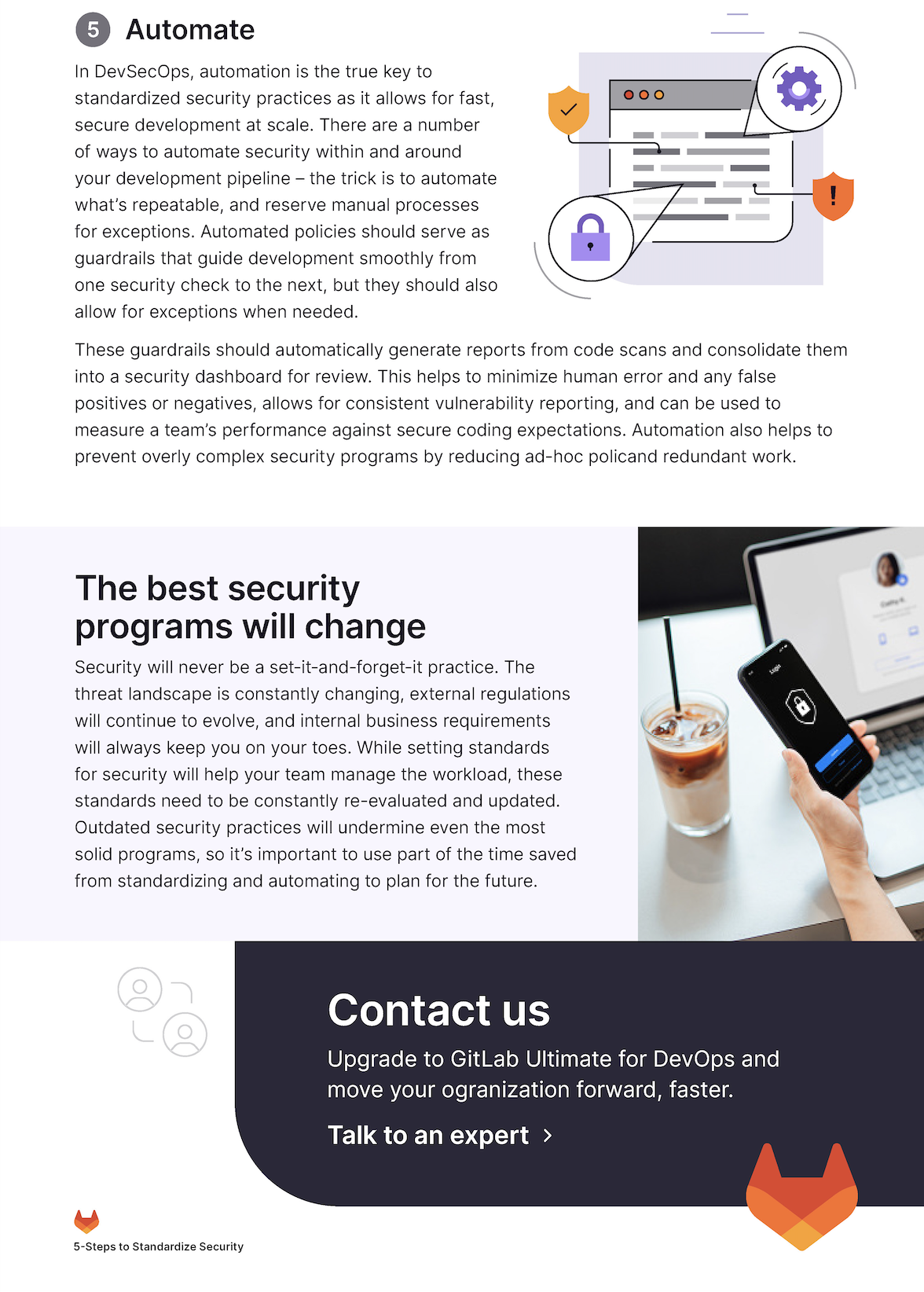
There are a few different forms of security standardization such as regulatory compliance standards, access controls, and automated processes. We will cover these more in-depth later in this blog post. Regardless of which framework you utilize, the standards set will educate your team on the practices they must follow to ensure proper security. The following infographic explores five essential steps to achieving a successful standardized security program. These steps are to train your employees, coordinate your requirements, implement access controls, embed scan and test tools, and automate security. Let’s discover how DevSecOps can be sustainably executed with the help of GitLab Ultimate.

Ready to Standardize Security With Gitlab?
Now that you know these five steps, you may feel ready to standardize your security processes. However, it is important to keep in mind that security is a dynamic process. It is constantly evolving in response to new threats, regulations, and business needs. Security standardization ensures organizations have consistent protection across all projects while maintaining flexibility. Your security practices must adapt and scale to suit your organization’s changing needs. Implementing the five steps with GitLab Ultimate will lead to a robust and scalable security program for long-term success. If you have questions or would like to learn more about how GitLab can benefit you, contact our experts.